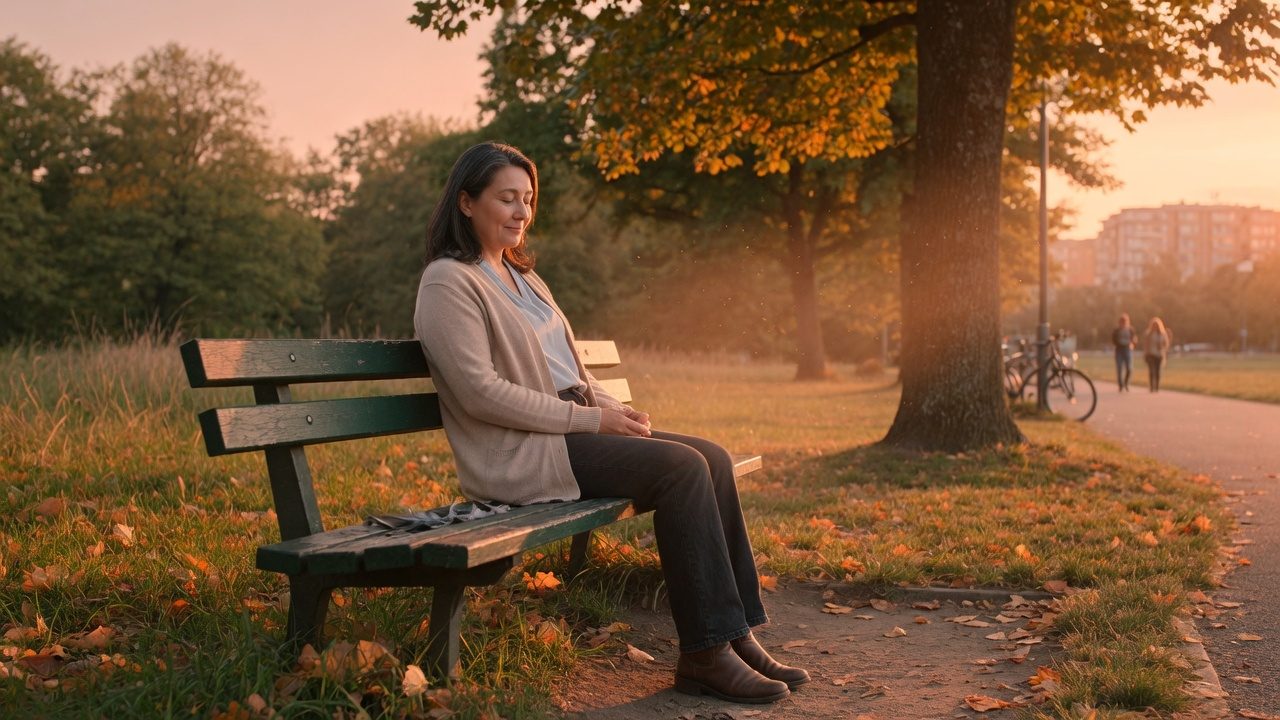
People talk about stress as if the goal were zero. That is not how bodies work. Short spikes of demand—deadlines, hard training, a tough conversation—are normal. What wrecks people is never coming down afterwards.
From a health and wellbeing perspective, recovery is a skill: sleep, breath, social ease, time outdoors, and the discipline to stop treating rest as laziness. Without that, cortisol and poor sleep stack, appetite goes sideways, and every small problem feels larger than it is.
You do not need a retreat. You need a daily off-ramp. Ten minutes of slower breathing. A walk without a podcast. One evening a week that is not “productive.” If you only train the on-switch, longevity becomes a marketing word for burnout with better branding.
Watch for early signs: irritability, shallow sleep, afternoon crashes, getting sick more often. Those are system messages. Answer them before your body answers for you.
Pressure will keep showing up. Make sure recovery does too.
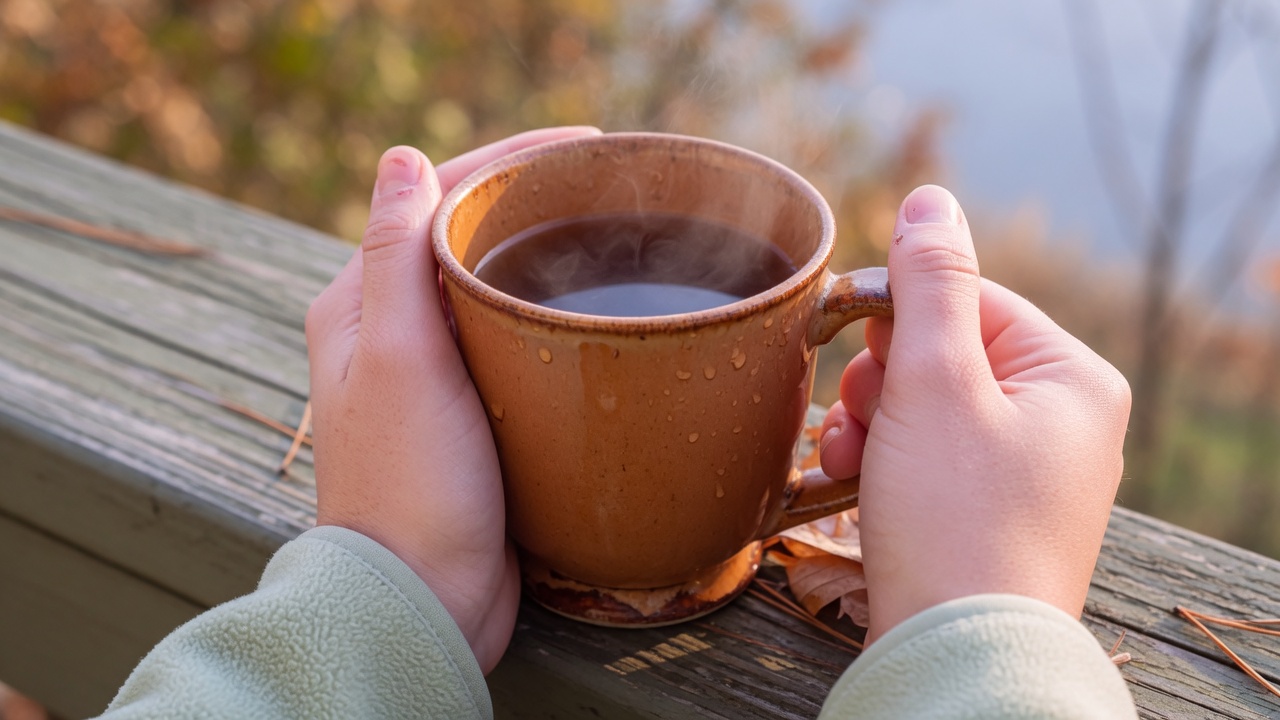
What recovery actually looks like on a Tuesday
Recovery is not a spa day. It is the set of small downshifts that keep your baseline from creeping upward all year. A slower evening meal. Lights dimmed an hour earlier. One conversation that is not about logistics. Saying no to a meeting that only exists because nobody cancelled it.
Track energy for two weeks the way you might track steps: morning mood, afternoon crash, sleep quality. Patterns show up faster than motivation speeches. Then change one lever—bedtime, caffeine cut-off, or a daily walk—and hold it long enough to learn something.
If stress is chronic and physical symptoms are piling up, that is clinical territory, not a productivity hack. Good recovery habits still help while you get proper support.
Make it survive a messy month
The best wellbeing advice is the kind you can still do when life is ordinary and slightly overloaded. Shrink the habit until it fits. Repeat it until it is boring. Boring is how health compounds.
If symptoms are severe or persistent, escalate to a clinician. Education pages support judgement; they do not replace care.
Readers who want a single takeaway can use this: prefer actions you can repeat next month over stories that only raise your pulse for an afternoon. Independent News for Longevity is built for that slower kind of attention—science and habits that still matter when the feed has moved on.
Think of recovery as training the off-switch. Athletes periodise hard days and easy days. Knowledge workers often run only hard days, then wonder why weekends feel like face-planting into the couch.