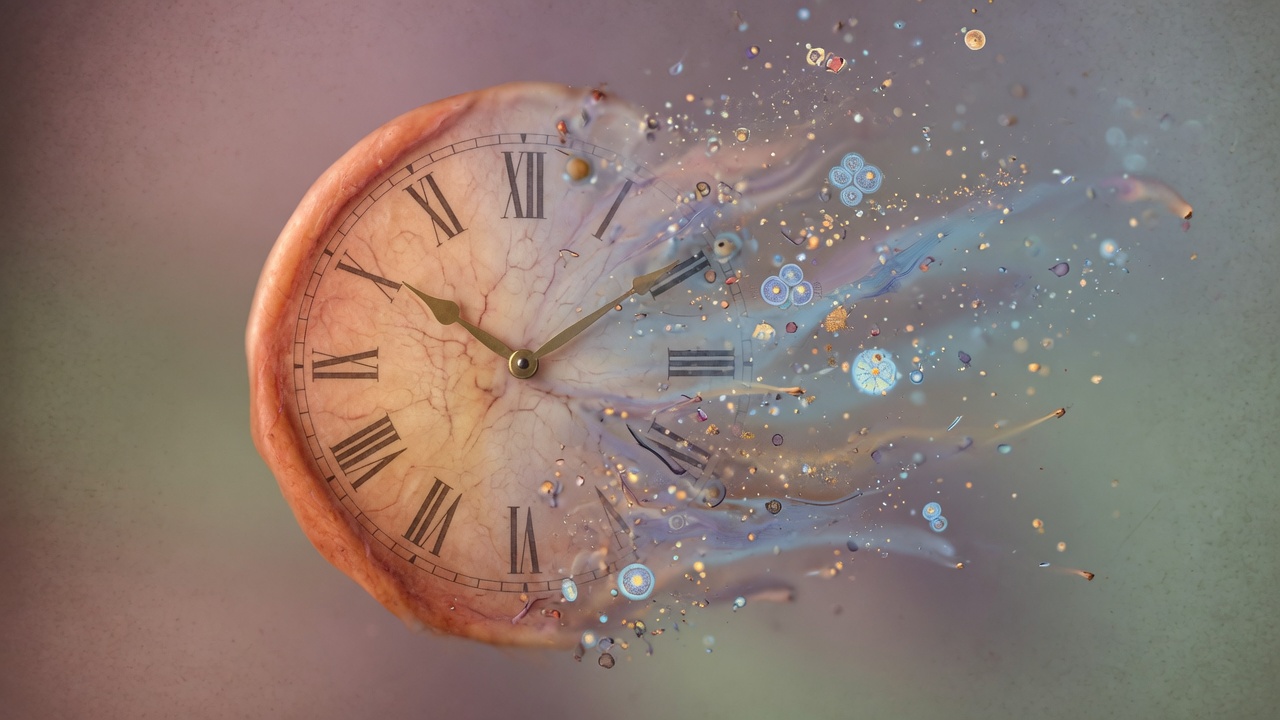
Epigenetic clocks estimate “biological age” from chemical marks on DNA, usually methylation patterns. The pitch is seductive: your passport age is one thing; your tissues may be telling another story.
Some clocks track calendar age tightly. Others lean toward predicting disease or mortality risk in research cohorts. That distinction matters. A consumer kit is not the same as a peer-reviewed endpoint in a trial, even when both spit out a number with one decimal place.
What clocks are good for, carefully: spotting population patterns, comparing interventions in studies, giving curious people a conversation starter with a clinician who understands the limits. What they are bad for: panicking, bragging, or redesigning your entire life after one mail-order result.
Noise is real. Sample type, lab method, illness, and even recent behaviour can shove the reading. Two tests a month apart can disagree without your soul having aged or un-aged in the meantime.
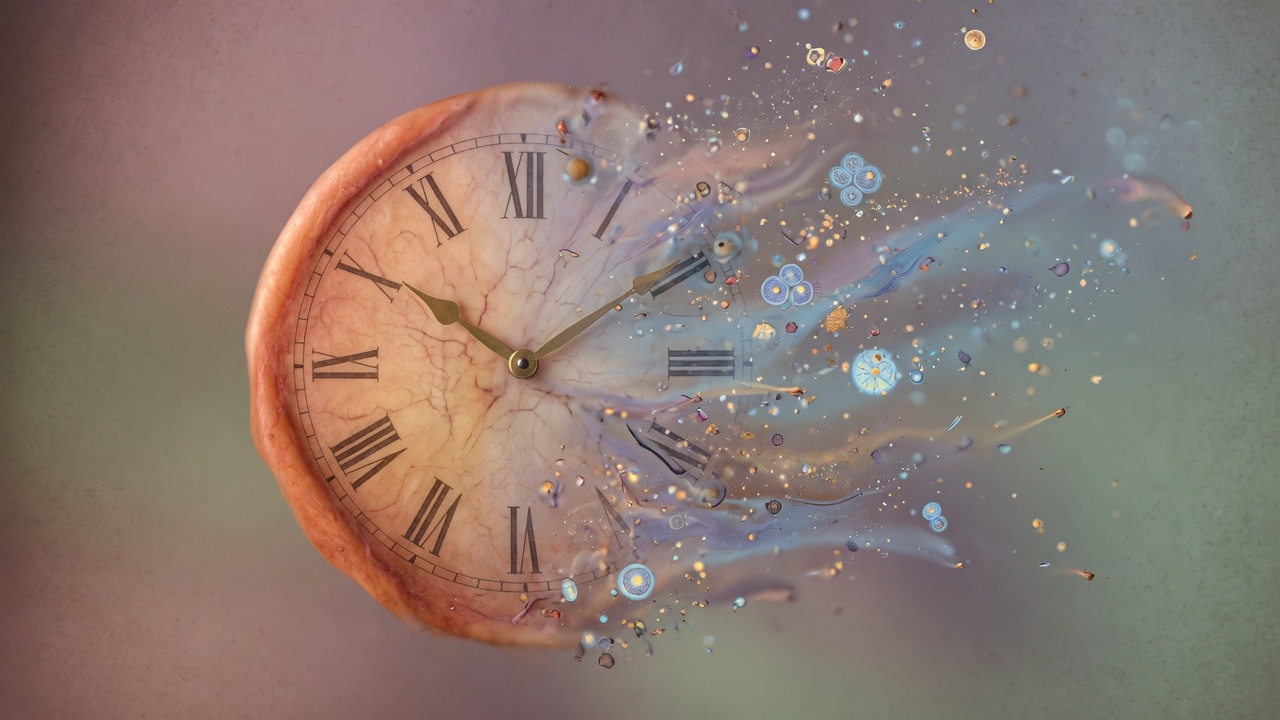
If you use one, treat it like a weather report, not a court sentence. Ask what clock was used, what it was trained to predict, and what you would change that you can measure more directly—HbA1c, blood pressure, strength, sleep.
Science is moving. Marketing is louder. Stay on the science side of the room.
Researchers will keep refining clocks and debating which ones predict what. Your job is simpler: do not let a decimal place outrank how you feel, move, and recover in ordinary weeks.
How to read a clock without worshipping it
Treat biological age estimates as noisy signals. Retest under similar conditions before you panic. Prefer changes you can explain—sleep, infection, training load, alcohol—over mystical jumps after a supplement stack.
Clocks are research tools becoming consumer products. That transition always outruns nuance. Keep the curiosity; leave the destiny narrative on the shelf.
Keep your head while the field moves
Longevity science rewards patience. Prefer primary trials and careful explainers over certainty theatre. Use what changes your week—sleep, strength, screening conversations—while longer-horizon tools mature in public.
Independent News for Longevity will keep separating infrastructure from immortality marketing. That filter is how readers stay usefully informed without living in a permanent product launch.
Readers who want a single takeaway can use this: prefer actions you can repeat next month over stories that only raise your pulse for an afternoon. Independent News for Longevity is built for that slower kind of attention—science and habits that still matter when the feed has moved on.