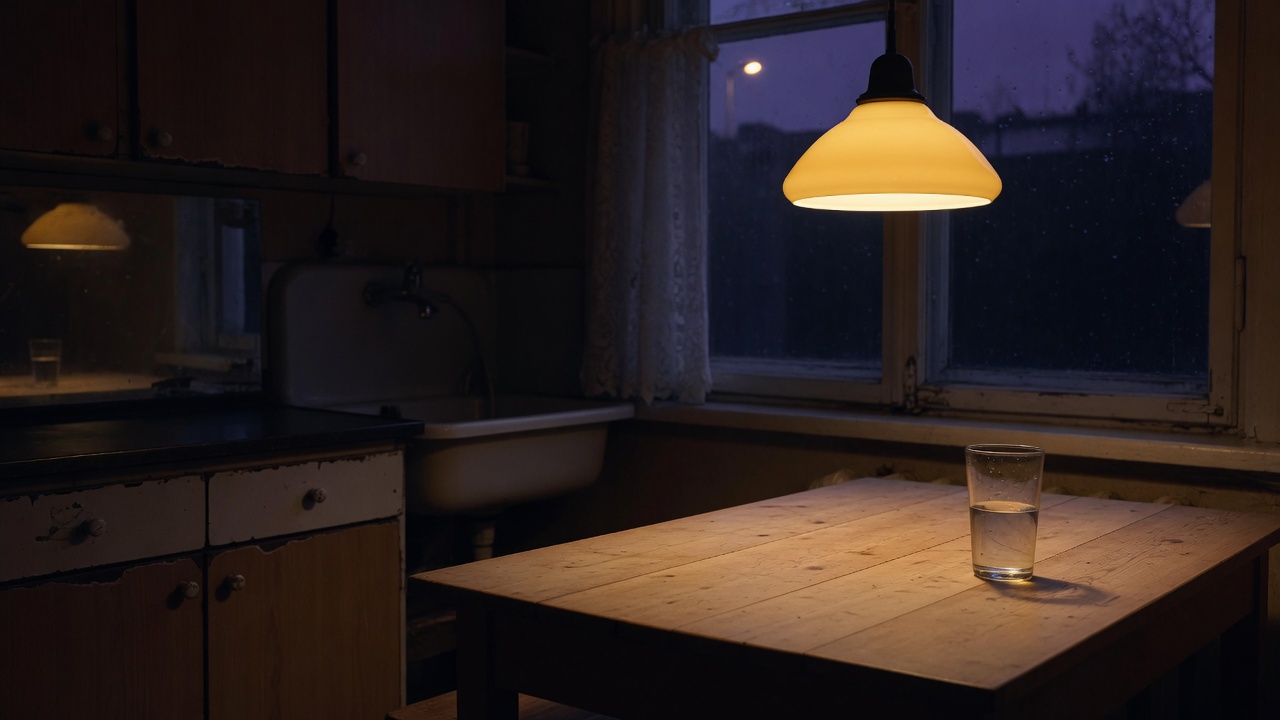
Sleep is still the cheapest longevity tool most people treat as optional. You can buy morning light lamps, powdered mushrooms, and trackers that grade your night like a school report. Or you can protect the basics and get most of the benefit without a subscription—and without turning bedtime into another performance review.
From a health and wellbeing view, the night is when blood pressure patterns settle, memories consolidate, hunger hormones recalibrate, and tissues repair after training. Skimp for a week and you feel it: shorter temper, louder cravings, workouts that feel heavier than they should, and a brain that treats small problems like emergencies.
The foundations are dull on purpose. Keep a regular sleep and wake window seven days a week as often as life allows—weekend “catch-up” helps a little, but it is not a full refund. Get outdoor light in the morning if you can; it anchors the clock better than any app. Dim bright cool-white overheads in the evening. Keep the bedroom dark, cool, and boring. Caffeine after mid-afternoon is still the silent saboteur for people who swear they are “fine with coffee.”
Alcohol is not a sleep aid. It may help you lose consciousness; it usually steals the deeper parts of the night and leaves you awake at 3 a.m. Screens matter, especially in bed, but so does stadium-bright kitchen light at half past nine. Fix the room and the routine before you argue with percentages on a watch.
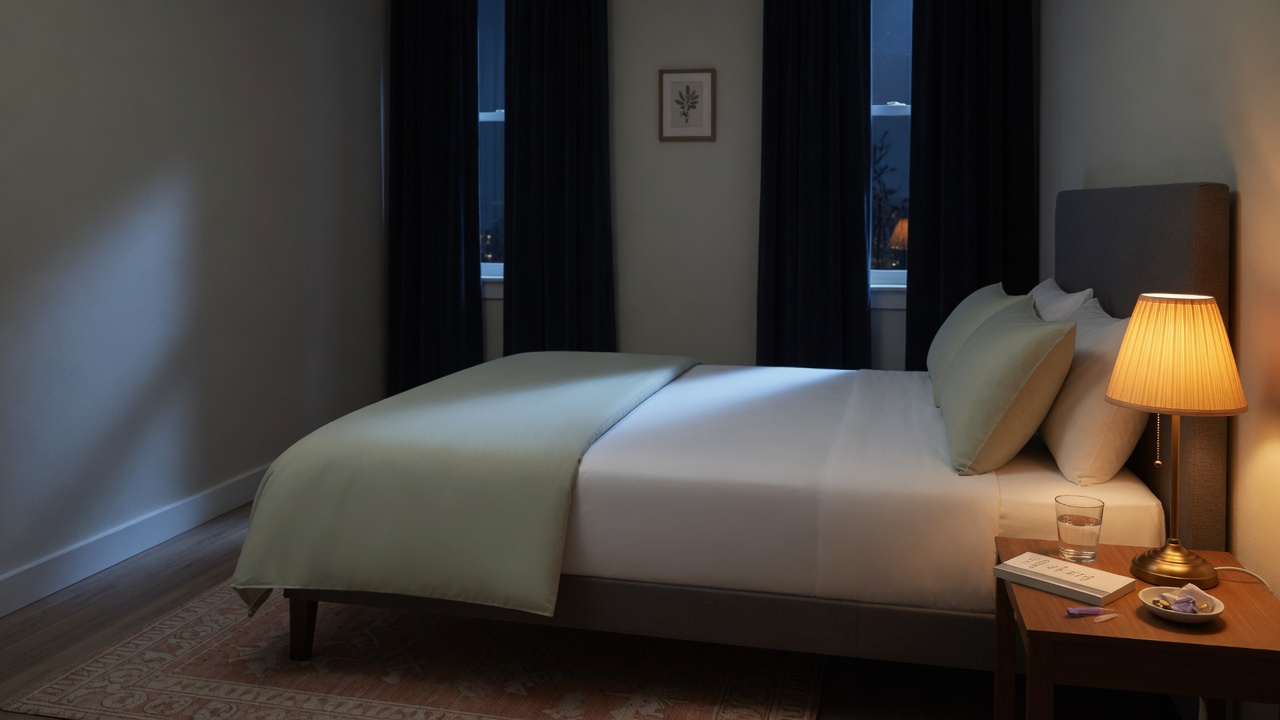
Snoring, choking, or gasping needs a medical conversation—not a new pillow alone. Apnoea is common and under-diagnosed; treating it can change energy and mood more than another herbal tea. For ordinary undersleep, treat the hour before bed as a meeting with someone you respect. Future-you is the attendee: charge the phone outside the room if you can, read something paper-bound, write tomorrow’s three tasks so they stop circling.
Shift workers and new parents will never get perfect. Steal improvements in pieces—blackout when you can, protect whatever block you get, nap only if it does not wreck the next night. Perfect is rare; better is available most weeks. If you change one wellbeing habit this month, make nights quieter and darker. Most daytime “hacks” get easier when the night is not a write-off.