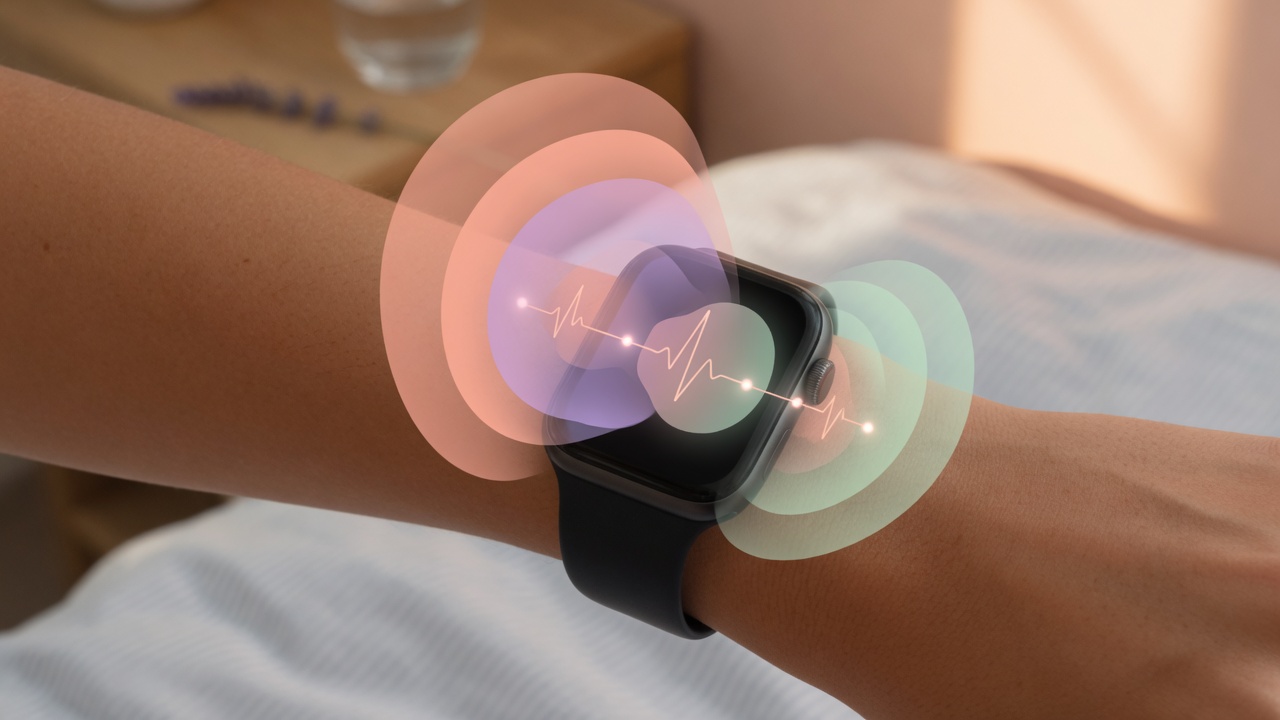
Step counts taught a generation to walk more. Fair enough. The better hardware now watches sleep architecture, resting heart rate, heart-rate variability, skin temperature, and sometimes blood oxygen. Athletes and chronically ill people both find uses for that stream.
The trap is turning your wrist into a judge. One bad night becomes a spiral. One “low readiness” score becomes permission to skip the only workout you would have enjoyed. Devices estimate; they do not know your life.
Where wearables earn their keep: spotting patterns you would miss—sleep sliding for three weeks, resting heart rate creeping up before you admit you’re run down, irregular rhythms that send you to a real ECG. Several consumer devices have nudged people into atrial fibrillation checks. That is not nothing.
Where they fail: replacing clinical care, diagnosing from a graph screenshot in a Facebook group, or optimising every metric until joy leaves the building.
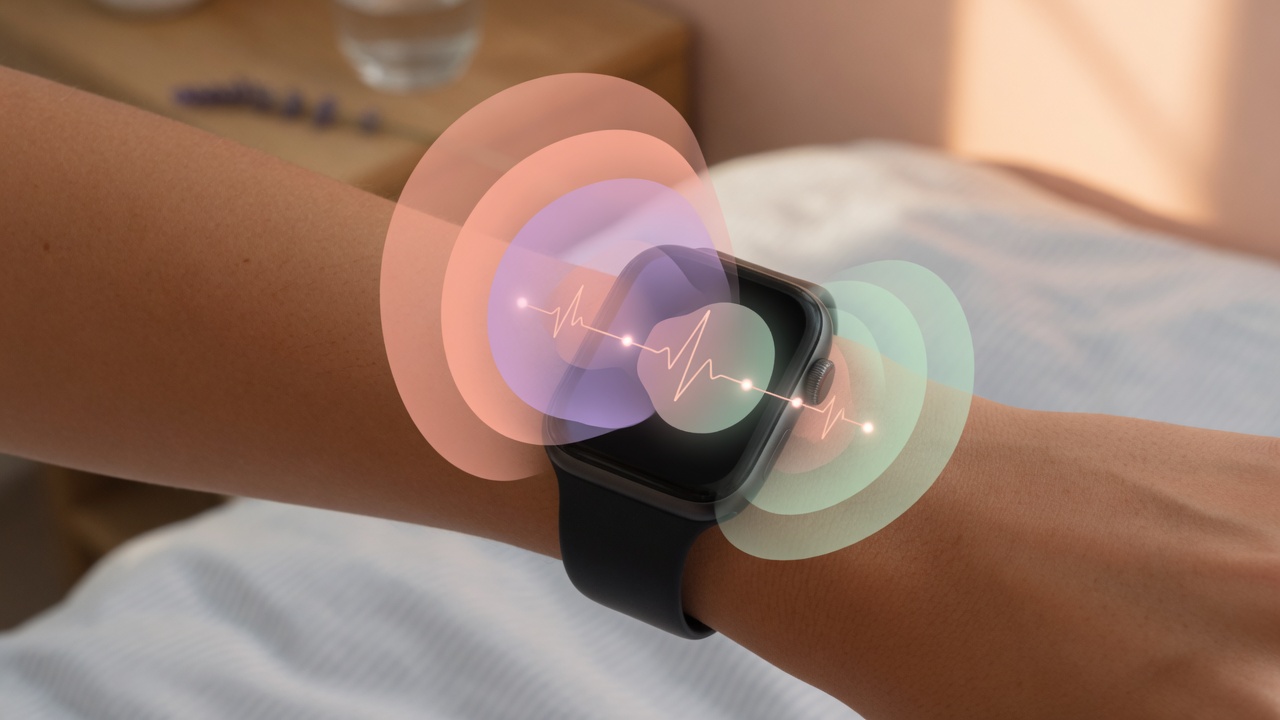
Pick one or two numbers that change what you do. Ignore the rest for a month. If the device makes you more anxious than active, it is not a longevity tool. It is jewellery with opinions.
One more thing: share data with clinicians only when you understand the export. A PDF dumped on a busy GP without a question attached is noise. A short note—“resting heart rate up 8 bpm for three weeks, should we check?”—is a conversation.
Use the signal, drop the obsession
Pick one or two metrics you will actually act on—sleep regularity, resting heart rate trends, activity minutes—and ignore the rest. Alerts that never change behaviour are just anxiety with a battery.
Medical-grade claims need medical-grade validation. A watch can support care; it should not silently replace it when symptoms are serious.
Keep your head while the field moves
Longevity science rewards patience. Prefer primary trials and careful explainers over certainty theatre. Use what changes your week—sleep, strength, screening conversations—while longer-horizon tools mature in public.
Independent News for Longevity will keep separating infrastructure from immortality marketing. That filter is how readers stay usefully informed without living in a permanent product launch.
Readers who want a single takeaway can use this: prefer actions you can repeat next month over stories that only raise your pulse for an afternoon. Independent News for Longevity is built for that slower kind of attention—science and habits that still matter when the feed has moved on.